
Bed bugs are one of the most frustrating pests homeowners and business owners can encounter. These tiny insects are experts at hiding and can quickly turn a comfortable living space into a stressful environment. While bed bugs do not transmit diseases, their bites can cause itching, discomfort, allergic reactions, and sleepless nights. Understanding how to identify, prevent, and eliminate bed bugs is essential for maintaining a healthy and pest-free property.
What Are Bed Bugs?
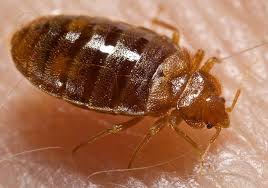
Bed bugs are small, reddish-brown insects that feed on human and animal blood. Adult bed bugs are about the size of an apple seed and are most active at night. They typically hide in mattresses, box springs, bed frames, furniture, wall cracks, and other secluded areas during the day.
Because bed bugs are excellent hitchhikers, they can spread easily through luggage, clothing, furniture, and personal belongings. Infestations can occur in homes, apartments, hotels, offices, dormitories, and even public transportation.
Common Signs of a Bed Bug Infestation
Early detection is very beneficial when dealing with bed bugs. The longer an infestation goes unnoticed, the more difficult and expensive it can become to eliminate and the greater impact it has on furniture.
Here are some common signs of bed bugs:
1. Bite Marks (usually found as a line or group of bites) on the Skin
Bed bug bites often appear as small red welts or itchy bumps. They are commonly found on exposed skin areas such as the arms, neck, face, and legs. But keep in mind, almost half of the population does not respond to bed bug bites because “bite marks” are just an alergic reaction to the bed bug saliva.
2. Blood Stains on Bedding
Small blood spots on sheets, pillowcases, or mattresses may indicate that bed bugs have been feeding during the night; This is actually pretty rare.
3. Dark Fecal Spots (poo)
Bed bugs leave behind tiny black spots that resemble ink marks. The fecal matter will often follow the twine pattern causing the spot to take on a star like shape.These stains can often be found on pillows, bed linen. mattresses, bed frames, furniture and base boards.
4. Shed Skins and Eggs
As bed bugs grow, they shed their outer skins. Finding these skins or tiny white eggs near hiding places offers early detection of a potential growing infestation.
5. Musty Odor
Large infestations may produce a noticeable musty smell (similar to a stink bug) caused by bed bug scent glands.
How Bed Bugs Spread
Many people mistakenly believe bed bugs are caused by poor hygiene. In reality, bed bugs can infest even the cleanest homes.
Common ways bed bugs spread include:
-
- Traveling with infested luggage or personal items
-
- Purchasing used furniture
-
- Visitors that come from infested locations
-
- Staying in hotels or shared accommodations
-
- Moving between neighboring apartments or units
Because bed bugs are noctournal and avoid movement, they end up in places that allows them to stay unseen thus a decent size infestation can go unnoticed.
Health Effects of Bed Bugs
Although bed bugs are not known to spread diseases, they can still impact health and well-being.
Potential effects include:
-
- Skin irritation and itching
-
- Allergic reactions
-
- Secondary skin infections from scratching
-
- Anxiety and stress
-
- Sleep disturbances and insomnia
For individuals with sensitive skin, bed bug bites may result in more severe reactions requiring medical attention.
Effective Bed Bug Prevention Tips
Preventing bed bugs is often easier and less expensive than eliminating an established infestation.
Inspect Hotel Rooms
When traveling, inspect mattresses, headboards, and furniture before unpacking. Keep luggage, clothing and even shoes elevated and away from beds.
Check Used Furniture
Always inspect secondhand furniture before bringing it indoors. Look for signs of bed bugs in seams, cracks, and cushions.
Reduce Clutter
Clutter provides countless hiding spots for bed bugs. Keeping rooms organized makes inspections and treatments more effective.
Wash and Dry Clothing
After traveling, wash clothing and bedding in hot water and dry them on high heat to kill any hidden bed bugs before bringing into a home.
Regular Inspections
Conduct routine inspections of mattresses, furniture, and sleeping areas to identify problems early. Having light colored linen and pillow cases makes sighting bed bug fecal matter easier.
Professional Bed Bug Treatment Solutions
DIY methods may help reduce bed bug activity, but complete elimination often requires professional treatment. Bed bugs are highly resilient and can hide in areas that are difficult to access.
Professional pest control services typically use a combination of services, including:
Thorough Inspection
Experts identify all infestation areas and determine the severity of the problem.
None Chemical Treatments
Non-toxic fungus treatments can be extremely effective and often require less preparation. They can be ideal for minor infestations. For large infestations fungus treatments can be very unsighly and uncomfortable as the fungus takes 3-6 days to kill the bed bug, but they become active while dying and become very visible instead of hidden away.
Heat treatments raise room temperatures to levels that kill bed bugs and their eggs (upwards of 150 degrees). This method is highly effective for furniture as it can bake out the infestation. But heat treatments do not affect bed bugs that are located in such places and baseboard crevices. The tempurature of the floor (often on a concrete foundation) will not change and can protect bed bugs that get under carpet or baseboard edges. Heat treatments alone are often failures without pesticide follow ups.
Chemical Treatments
Most “effective” chemical pesticide products are now a combination of two different types of active ingredients, primarily pyrethroids (african chrysanthemum based toxins) and neonicotinoids (synthetic nicotines). These pesticides combined offer a synergy of action that greatly increases the effect of the toxins on the insect. Bed bugs have developed great resistance to pyrethoids, and more recently, may have developed some resistance to even the nicotine products. For this reason we often perform follow up services with the fungus based pesticide (Aprehend RTU) for its better efficacy.
Less Prep Methods
Follow up Treatments and Monitoring
Multiple inspections and treatments are almost always necessary to ensure all bed bugs have been eliminated. This is due to the chances bed bugs will excape the initial treatment. This will happen when bed bugs get into unmanaged items (wrapped into a towel, crawled into a book or other personal item, or deep under a baseboard to into a cabinet kickboard. A follow up involves a decent inspection to make sure there is no resurgence. Retreatment is done and sometimes environment modification is needed.
Preventive Recommendations
Unfortunately bed bugs are very discrete hitchikers and can be introduced into a home or business without knowledge. There are monitors that can be used but often just knowing what to look for and getting the signs (such as shed body skins) identified is important. Taking pictures of these signs and sending them to your Pest control professional may help with peace of mind, or an early detection.
Why Professional Help Matters
Bed bugs reproduce quickly, and a small infestation can become a major problem within weeks. Attempting to treat the issue without proper knowledge or equipment often just prolongs infestations.
Professional exterminators have the tools, training, and experience needed to locate hidden bed bugs, eliminate them effectively, and prevent their return. Early intervention can save time, money, and frustration while protecting your home and family.
Conclusion
Bed bugs are persistent pests that can disrupt your comfort, sleep, and peace of mind. While harmless, they often ruin your life and ruin furniture. Recognizing the signs of an infestation, taking preventive measures, and acting quickly when problems arise are essential steps in protecting your property. Whether you’re dealing with a minor issue or a widespread infestation, professional bed bug treatment offers the most reliable solution for long-term results. By staying vigilant and proactive, you can keep your home safe, comfortable, and free from bed bugs year-round. For more information on our bed bug service just call 602-476-1088.